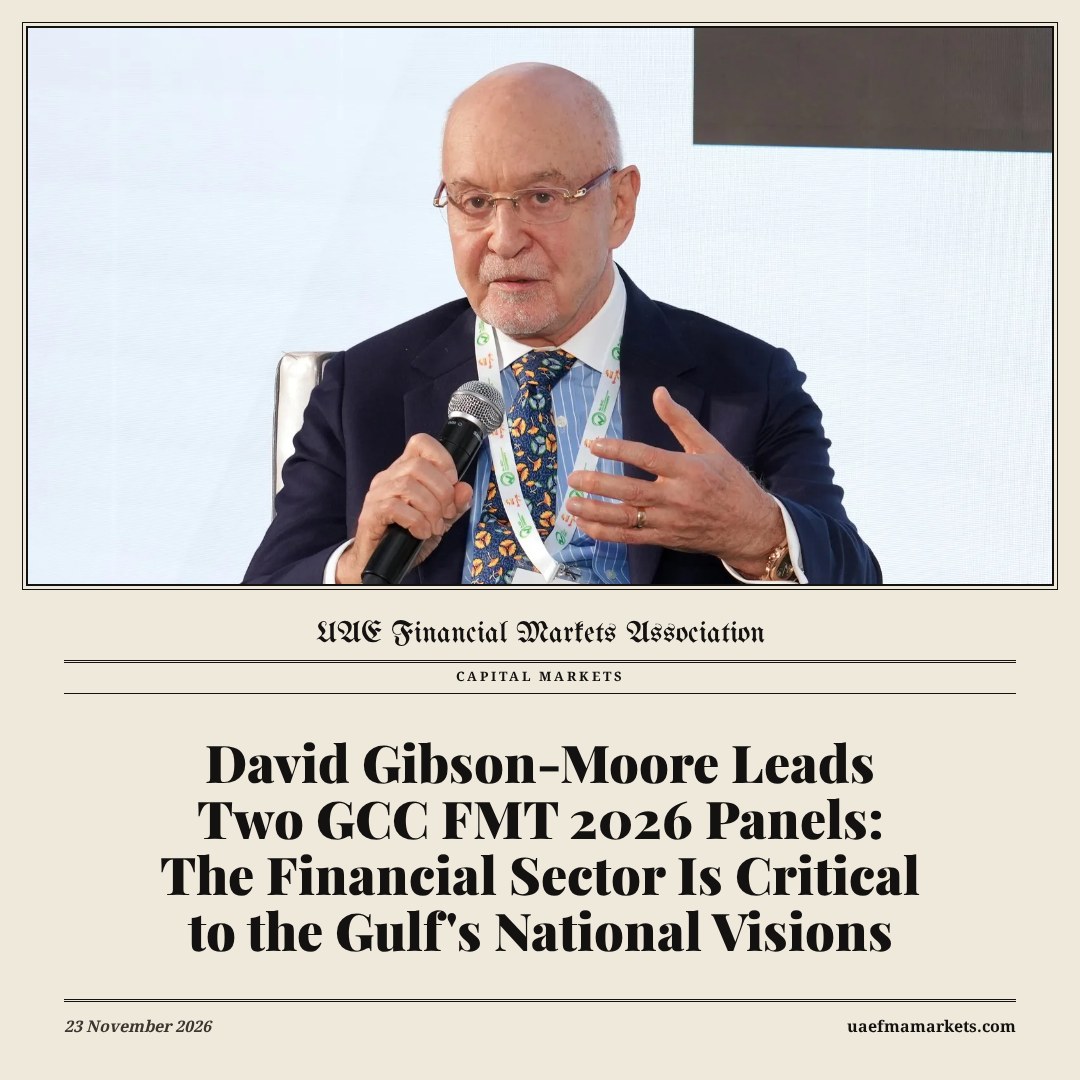
David Gibson-Moore Leads Two GCC FMT 2026 Panels: The Financial Sector Is Critical to the Gulf's National Visions
Moderating the conference's two capital markets panels, David Gibson-Moore asked speakers to name the GCC's most consequential financing gap. Their answers ranged from SME lending and corporate bonds to market diversification and regional issuance.
 By UAEFMA Editorial Team
Dubai, November 23, 2026 4 min read
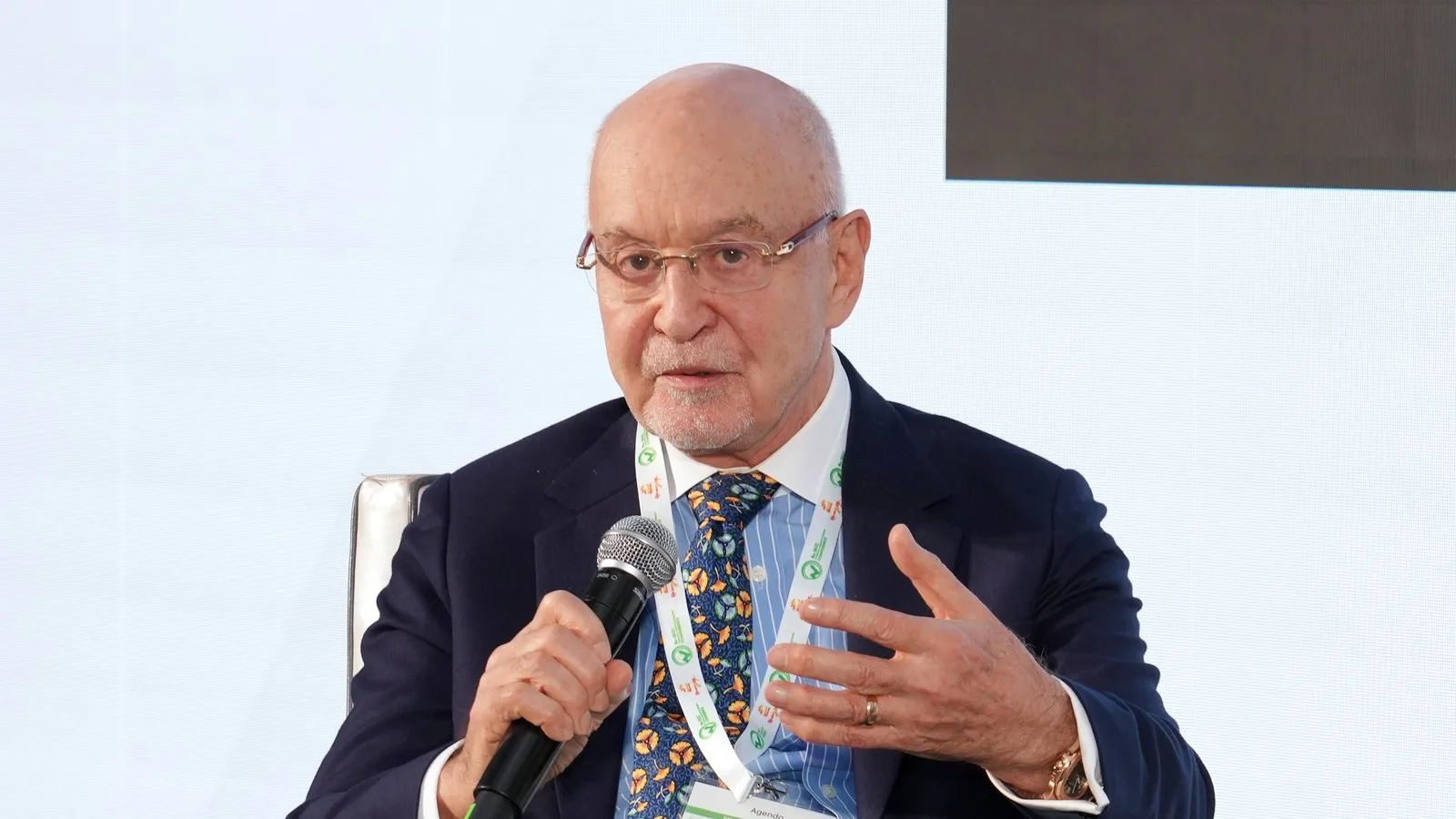
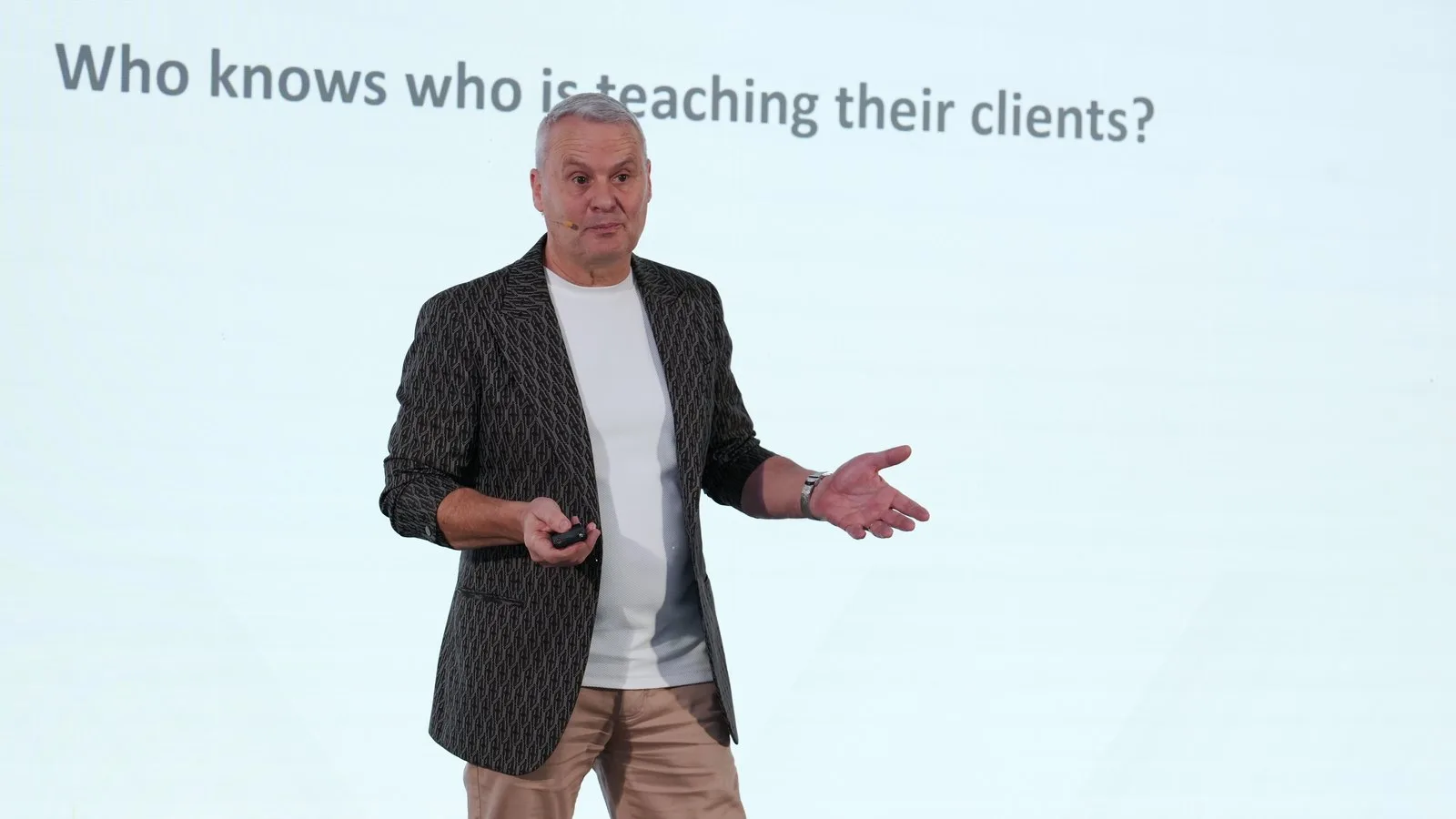
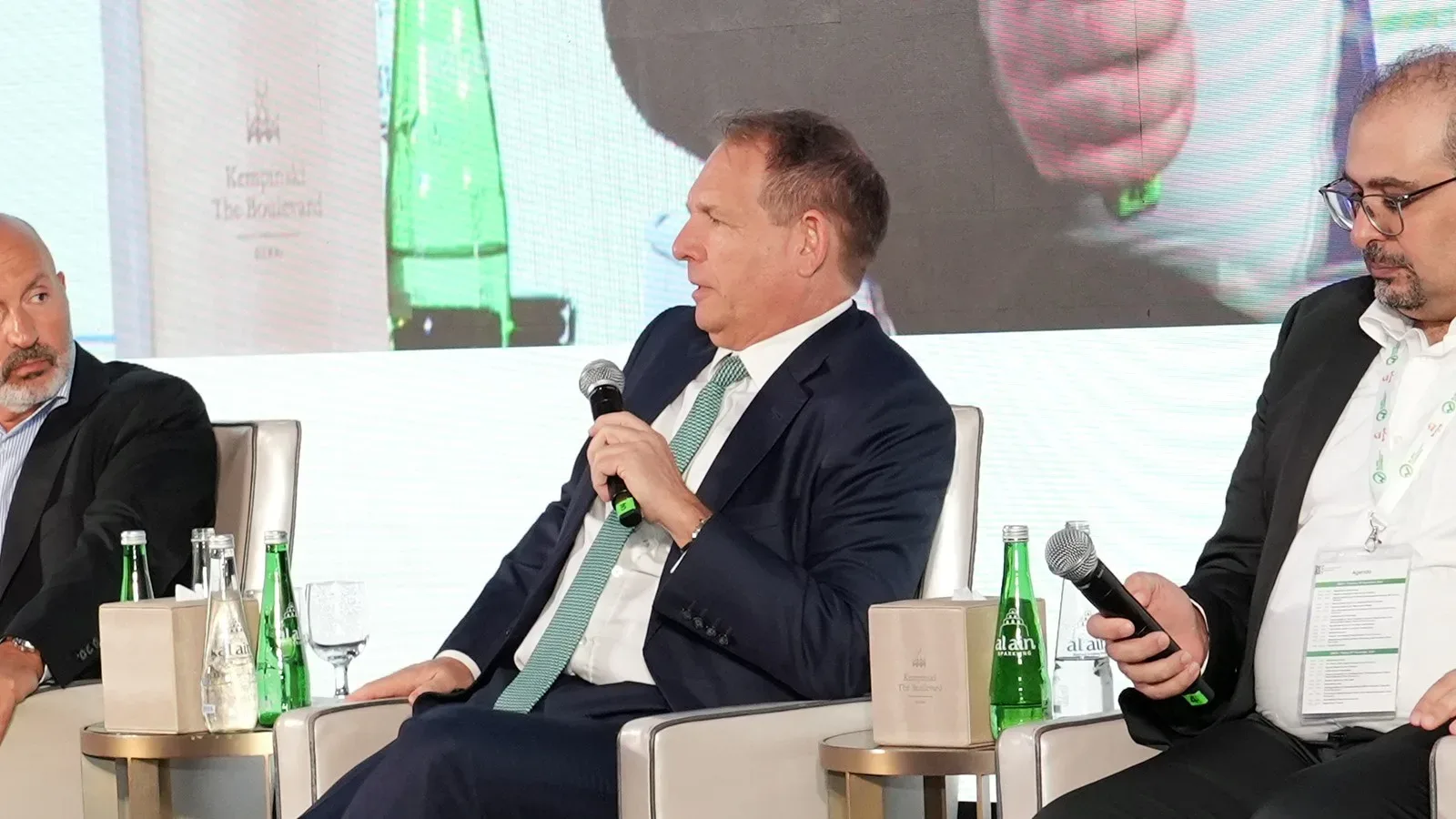
David Gibson-Moore moderated both capital markets panels at the 6th GCC Financial Markets and Treasury Conference (GCC FMT 2026) in Dubai: "Role of Financial Markets in Supporting GCC Economic Growth" on the first day, and "The Future of GCC Capital Markets" on the second.
Opening the first session, he described his own decades in the Gulf. "I've lived in Kuwait, I've lived in Saudi Arabia, I've lived twice in Bahrain, and I now live in Dubai. And the whole experience has been an extraordinary adventure, and the progress made has been absolutely amazing," he said.
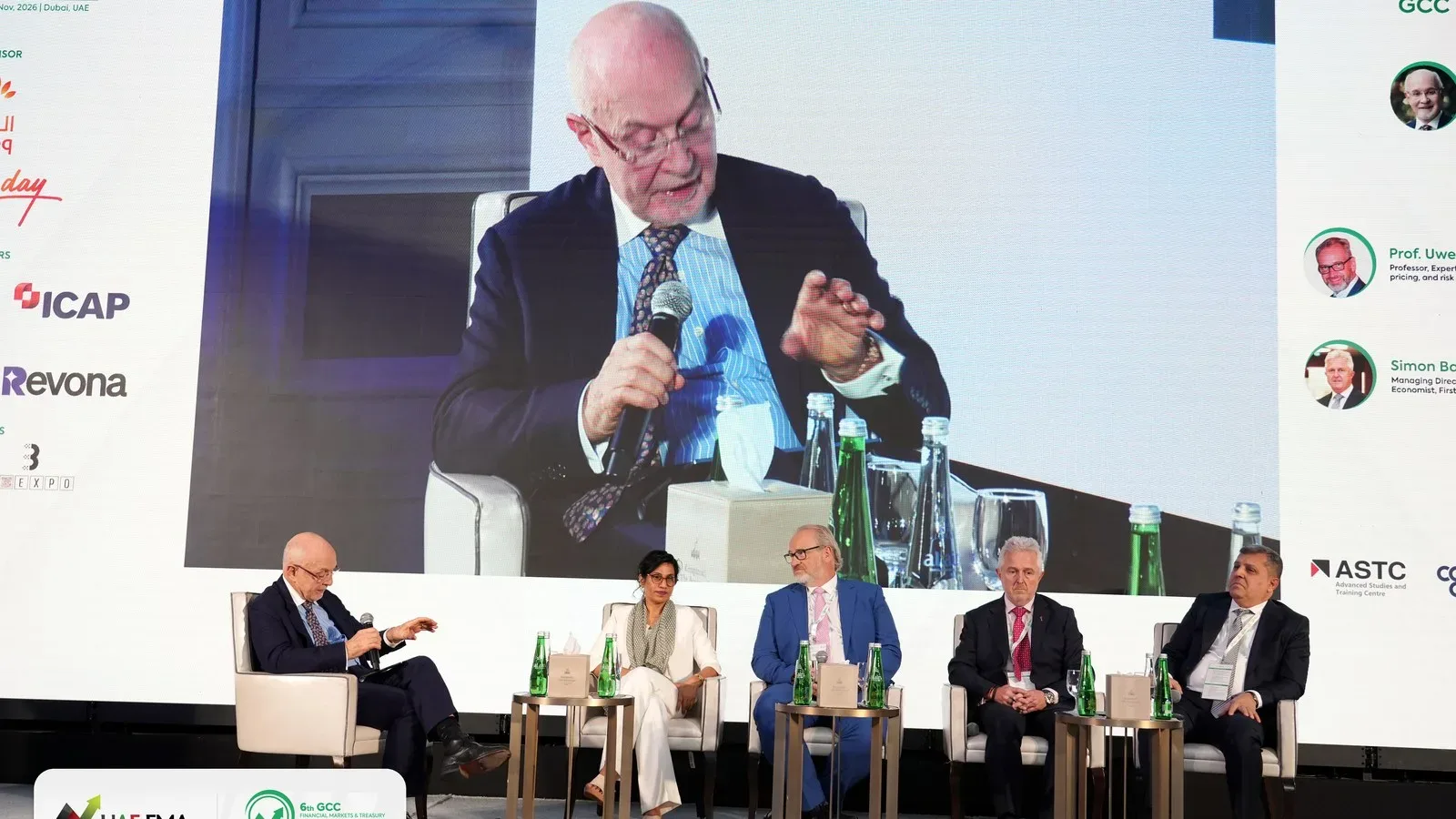
Day one: how markets support growth
The first panel brought together Dr. Irfan Al Hasani of EconBrain Consulting, Simon Ballard of First Abu Dhabi Bank, Prof. Uwe Wystup and Dr. Anita Yadav of Global Credit Advisory. Gibson-Moore described the Gulf's "unique trifecta" of banks, sovereign and government investors including sovereign wealth funds, and private capital, and pressed the panel on financing for smaller companies. "The financial sector is obviously critical to the continuing growth of this area" and to the implementation of each GCC country's national vision, he said.

To close, he asked each speaker the same question: what is the most consequential financing gap in GCC financial markets, and what one practical step would do most to close it?
Dr. Anita Yadav pointed to small businesses. "GCC is a capital-rich region," she said, adding that large corporates have little trouble raising capital. "I think it's the SME segment which is really struggling." Her wish was for incentives or specialised banks to fund SMEs, alongside a framework for restructuring distressed assets.
Prof. Uwe Wystup listed the enhancement of corporate bond markets, a freer flow of structured FX products for currency risk management, and strong model governance and risk policies built in from the start. "Regulation is good, but let's not overdo it," he said.
Simon Ballard highlighted the extension of financing within the region, as large issuers raise funds through subsidiaries in bonds, sukuk and IPOs. That, he said, gives "the man on the street" within the GCC and investors abroad a greater opportunity to take part in the growth story.
Dr. Irfan Al Hasani called for the diversification of the financial markets themselves, noting that financial services make up about half of GCC equity market capitalisation, while technology and healthcare remain small shares.
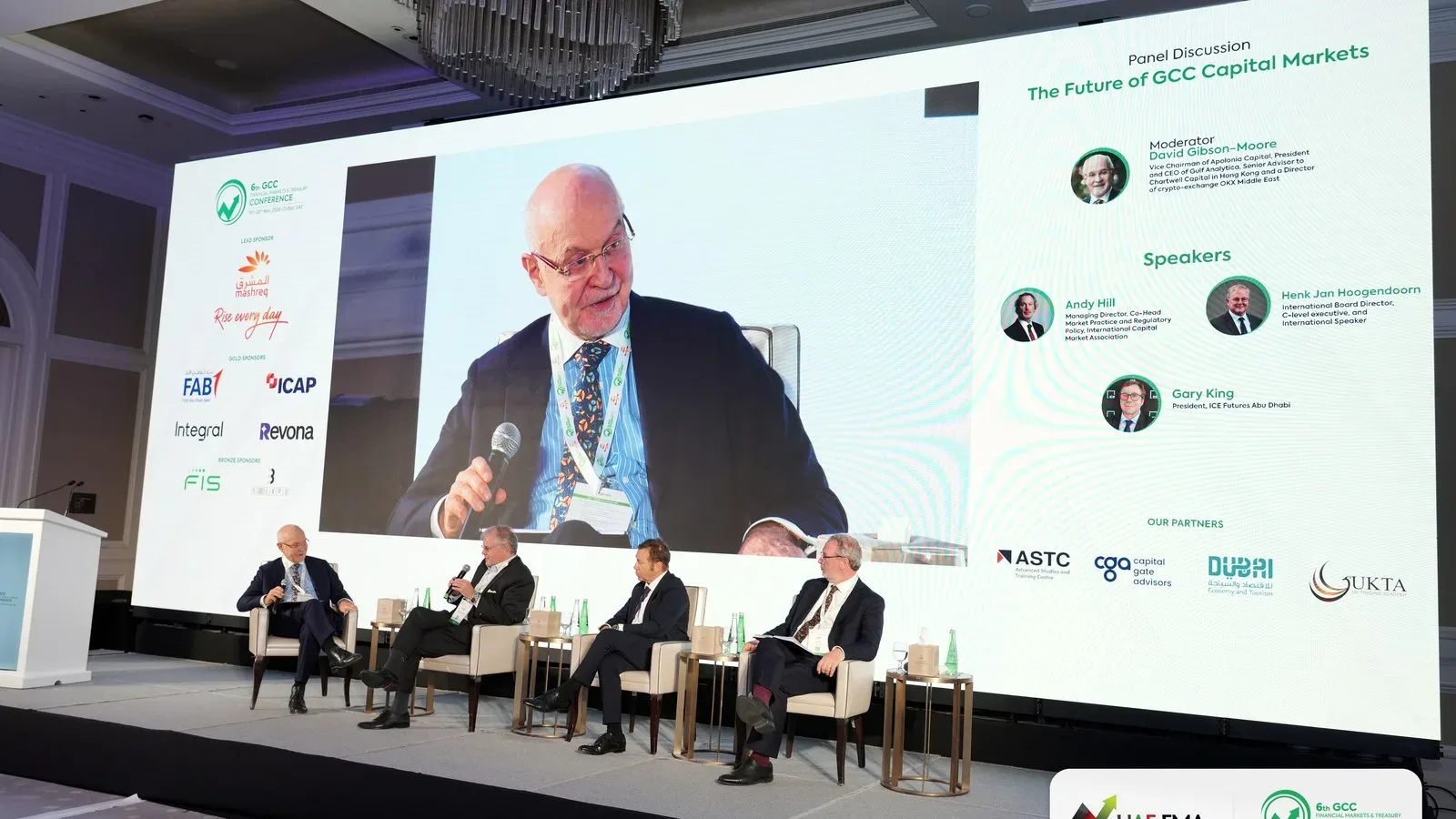
Day two: the future of GCC capital markets
On the second day, Gibson-Moore opened by thanking UAEFMA Chairman Mohammed Al Hashemi and the association's team "for really an incredible event", before turning the discussion to evolving capital flows, regulation and changing investor needs.
The panel included Henk Jan Hoogendoorn, Gary King, President of ICE Futures Abu Dhabi, and Andy Hill of the International Capital Market Association (ICMA). Gibson-Moore asked King how international investors see the Gulf today, and praised the speed at which regional regulators have developed. He also raised the standardisation of Islamic finance, pointing to the role of the Accounting and Auditing Organization for Islamic Financial Institutions (AAOIFI) in Bahrain.
Gibson-Moore said the region's regulators, particularly in the UAE, "have done a very good job" on digital assets, and ended the session with a discussion of private credit, where he urged care around governance as the market grows.
Earlier stories cover the individual speakers' remarks, including Gary King on ICE Futures Abu Dhabi's planned cement futures contract, Andy Hill on repo as the missing ingredient for GCC bond markets, and Dr. Anita Yadav on the growth of GCC equity markets.
UAEFMA Editorial Team
The newsroom of UAEFMA Markets, the news service of the UAE Financial Markets Association, covering UAE banking, treasury, capital markets and fintech.