Fitch's Bashar Al Natoor: 87% of Rated GCC Sukuk Are Now Investment Grade, Up From About 80%
Fitch Ratings' Global Head of Islamic Finance Bashar Al Natoor told GCC FMT 2026 that the GCC sukuk credit story has been resilient, with the share of investment-grade rated sukuk rising to 87%, and pointed to FAB's digital bond as a sign of new products coming to market.
 By UAEFMA Editorial Team
· · 2 min read
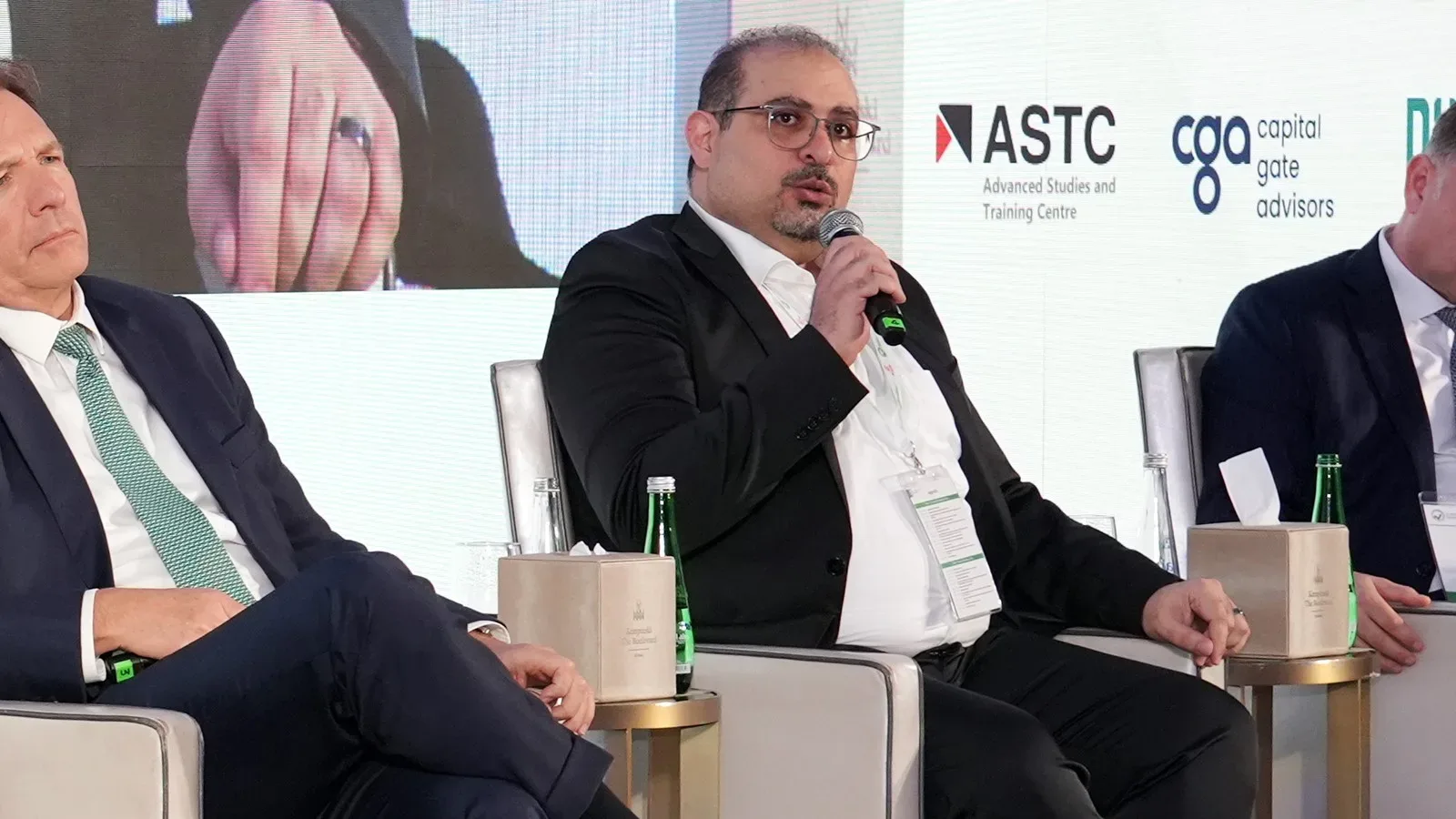
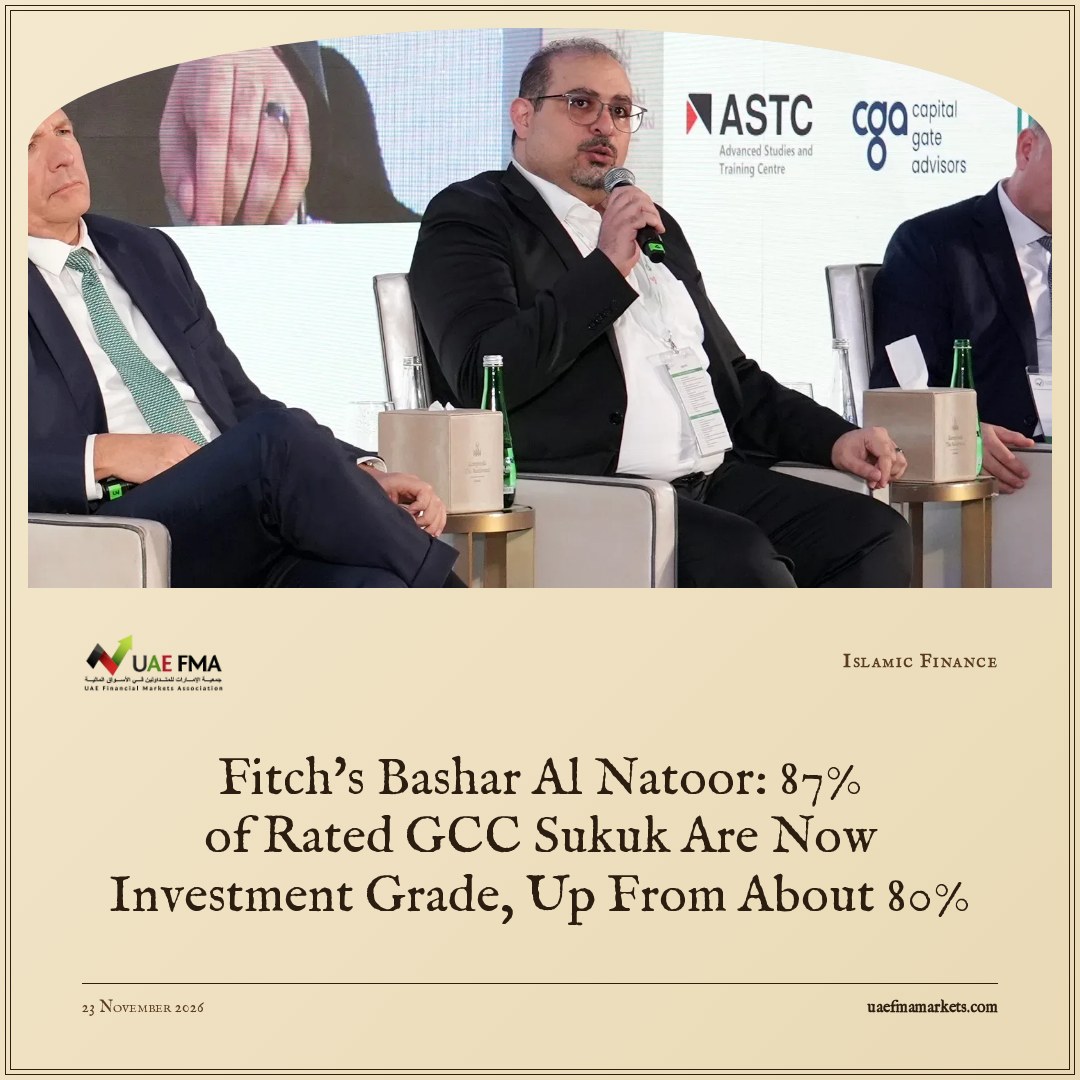
The credit story for GCC sukuk "has been a resilient story", with 87% of Fitch-rated sukuk now investment grade, up from around 80% a year earlier, Bashar Al Natoor, Managing Director and Global Head of Islamic Finance at Fitch Ratings, told the 6th GCC Financial Markets & Treasury Conference (GCC FMT 2026) in Dubai.
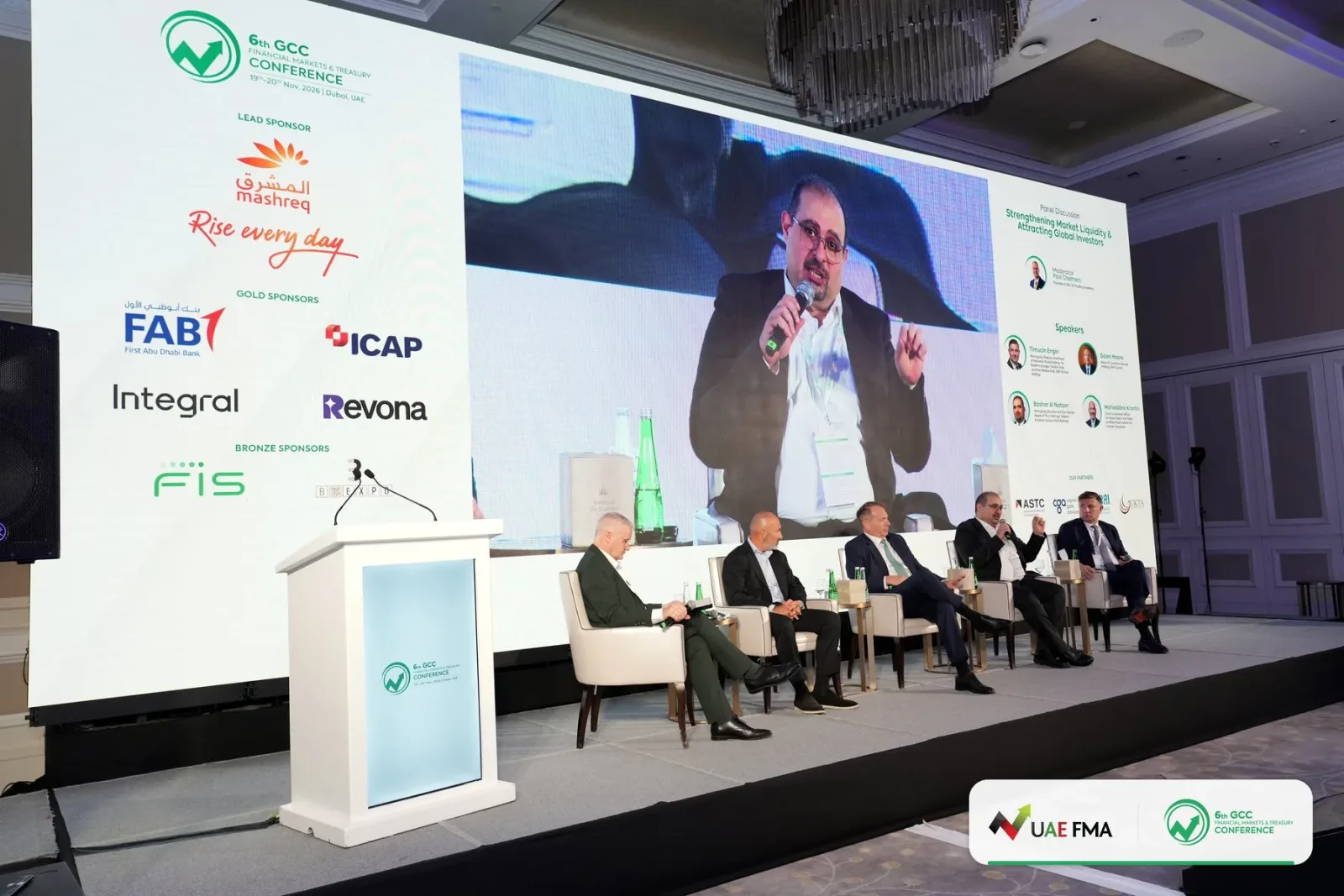
Speaking on the Strengthening Market Liquidity & Attracting Global Investors panel on 19 November, Al Natoor said the rise reflects investors favouring investment-grade issuers, which find it easier to access the market. The year started "on a very strong footing", he said, with sukuk and bond issuance active across sectors and across the region, and activity picked up again strongly in August and September, with "the pipeline still there".
Foreign banks step up
Al Natoor said international participation has kept growing. Foreign banks' holdings of sukuk and bonds from the region rose by almost 41% in the first half compared with the same period last year, and their loans and deposits in the region also increased. Local-currency sukuk issuance by the UAE and Saudi Arabia continued as planned throughout the year.

New issuers, new products
"The region has historically been funded by governments or by banks. There is a significant change now: diversification of funding is bringing issuers to the capital markets," he said. Banks from the UAE and Saudi Arabia have been coming to market frequently over the past 18 months to two years, and Fitch this year rated its first digital bond from the UAE, issued by First Abu Dhabi Bank (FAB), as well as its first asset-backed sukuk from Saudi Arabia.
There is still plenty of room to grow, he added, both in volume and in product range, from corporate, infrastructure and project issuers. That, in turn, will deepen secondary markets, improve price visibility and attract more international liquidity. The UAE and Saudi Arabia, he noted, remain the most developed debt capital markets in the GCC.
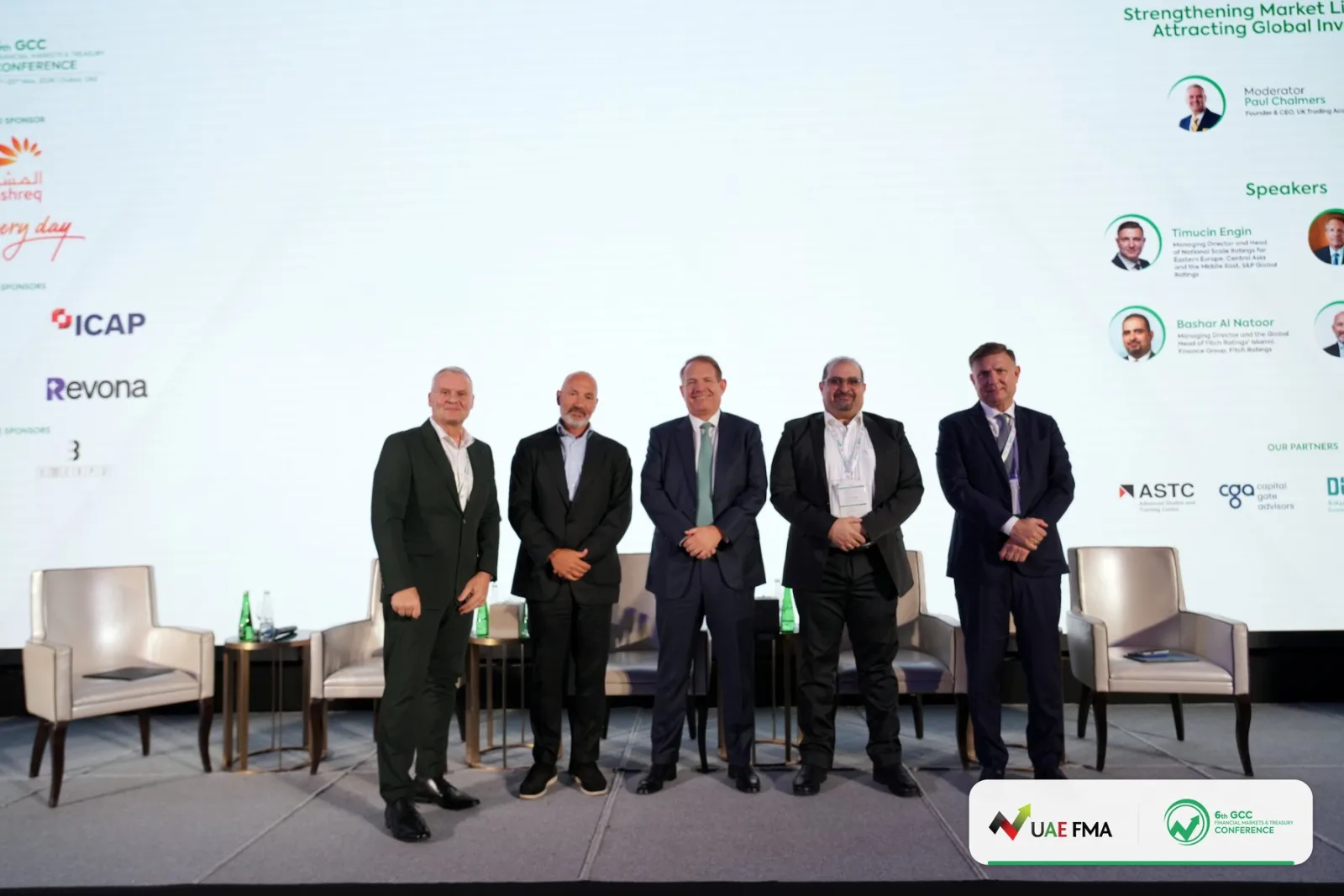
The panel was moderated by Paul Chalmers and also featured Timucin Engin of S&P Global Ratings, Galen Moore of BHM Capital and Mohieddine Kronfol of Franklin Templeton.
The newsroom of UAEFMA Markets, the news service of the UAE Financial Markets Association, covering UAE banking, treasury, capital markets and fintech.