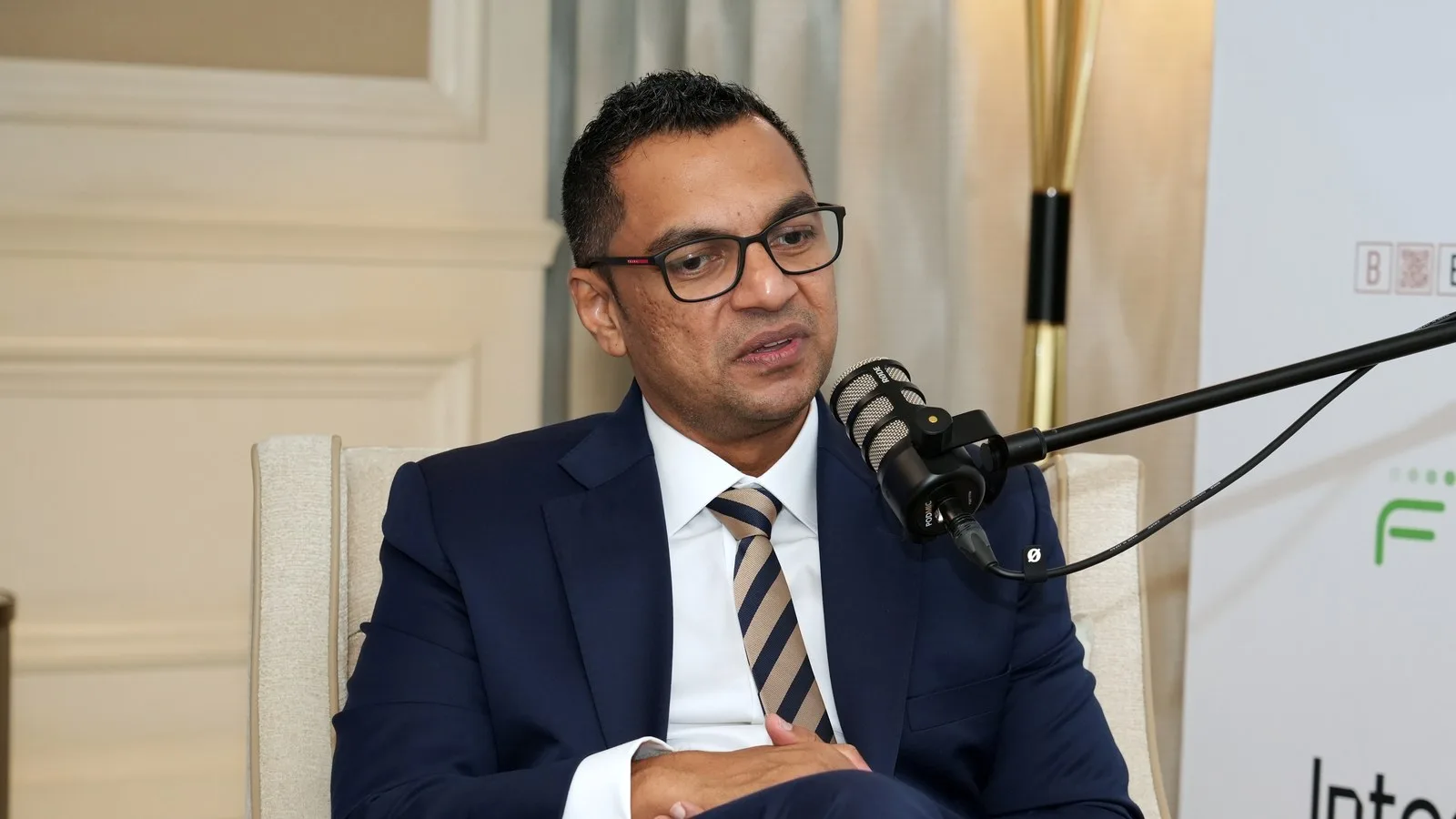
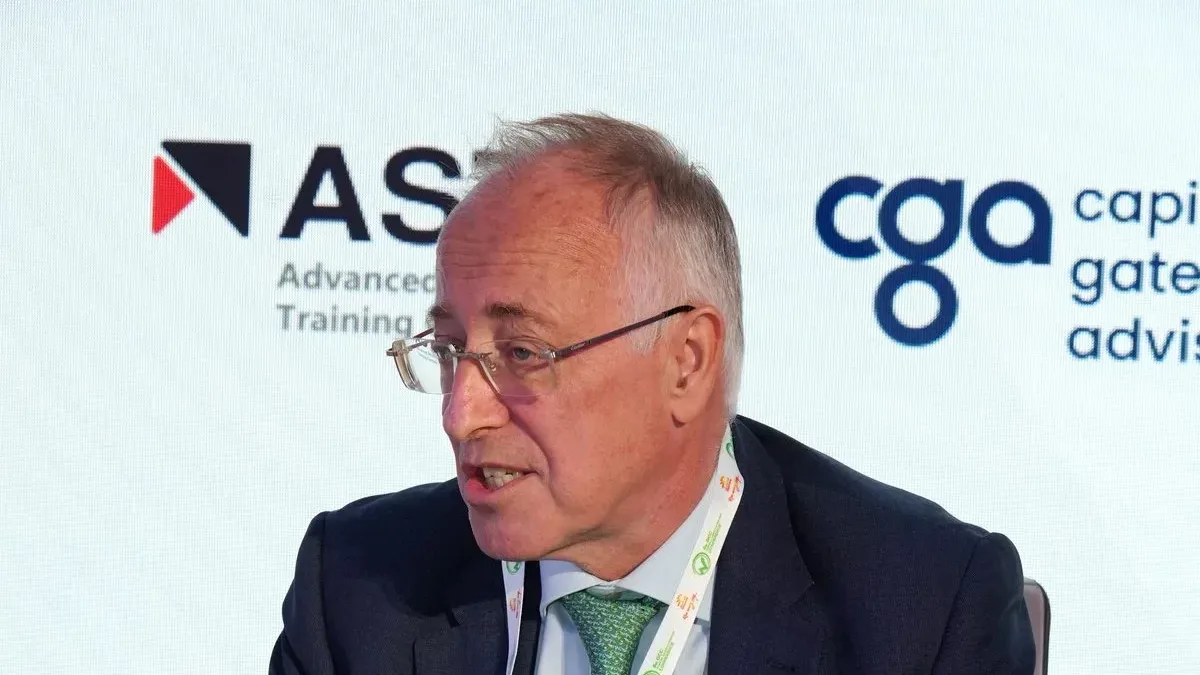
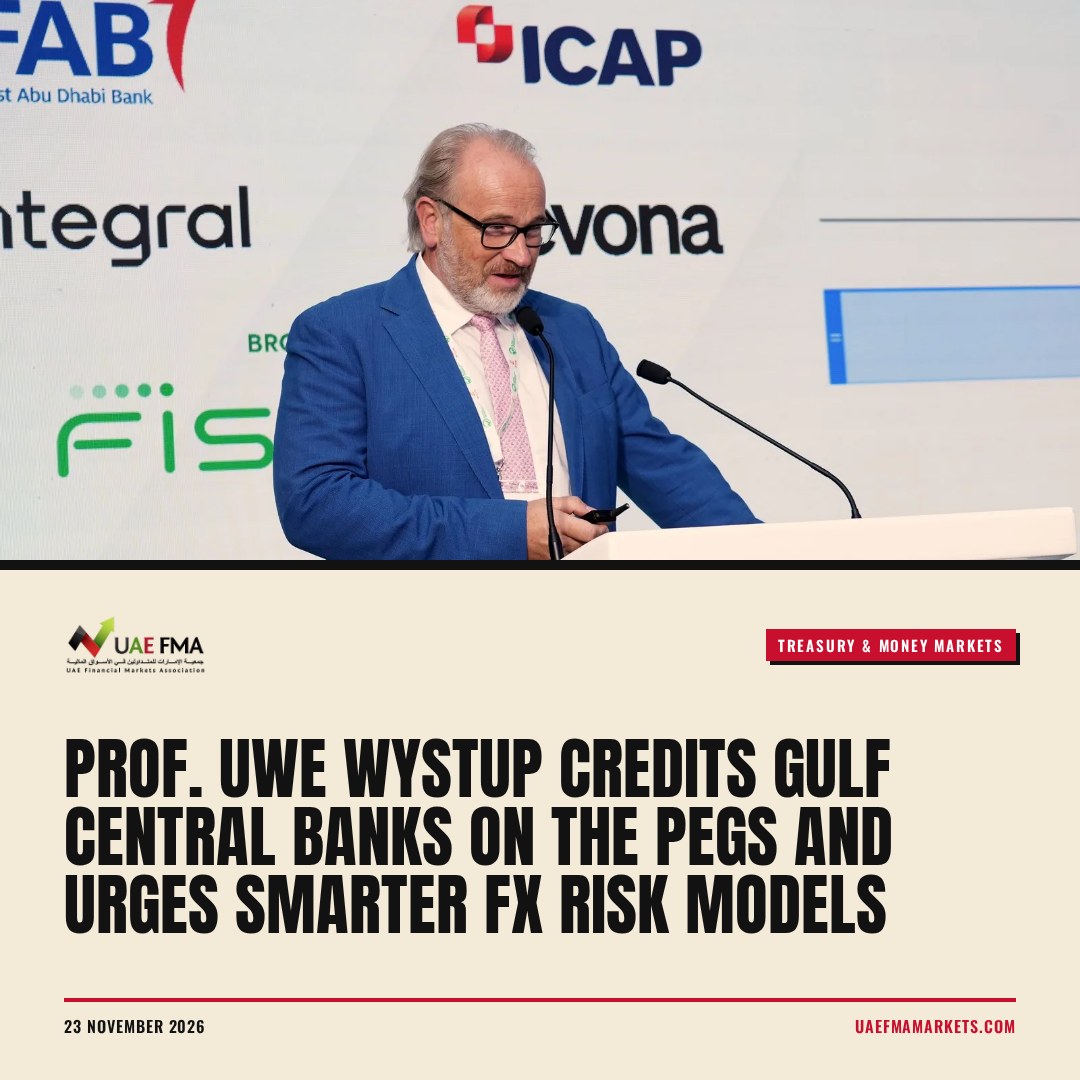
Prof. Uwe Wystup Credits Gulf Central Banks on the Pegs and Urges Smarter FX Risk Models
FX options expert Prof. Uwe Wystup of MathFinance told GCC FMT 2026 that Gulf central banks have successfully protected currency pegs, and urged institutions to stress-test and validate their FX risk models.
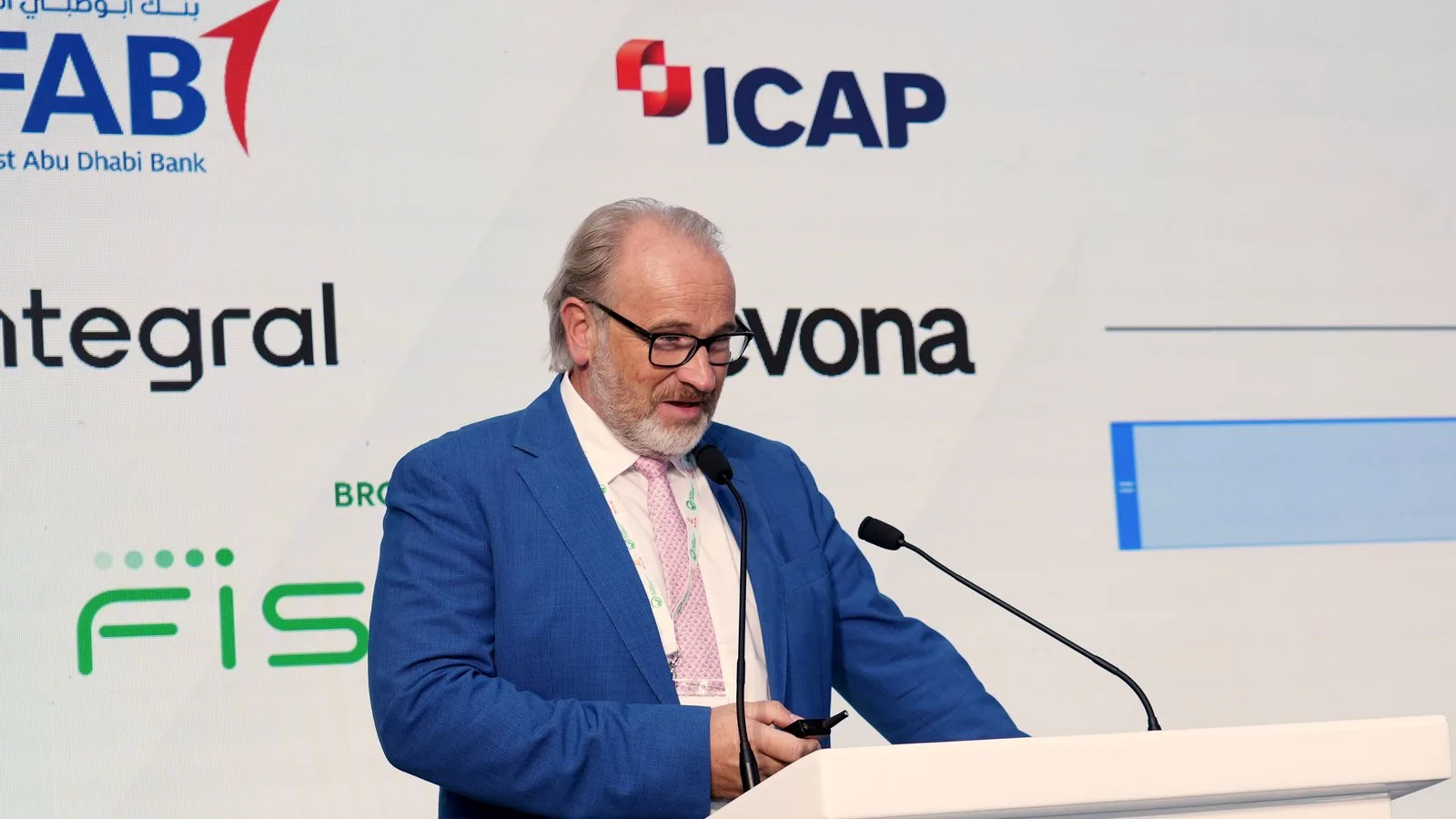
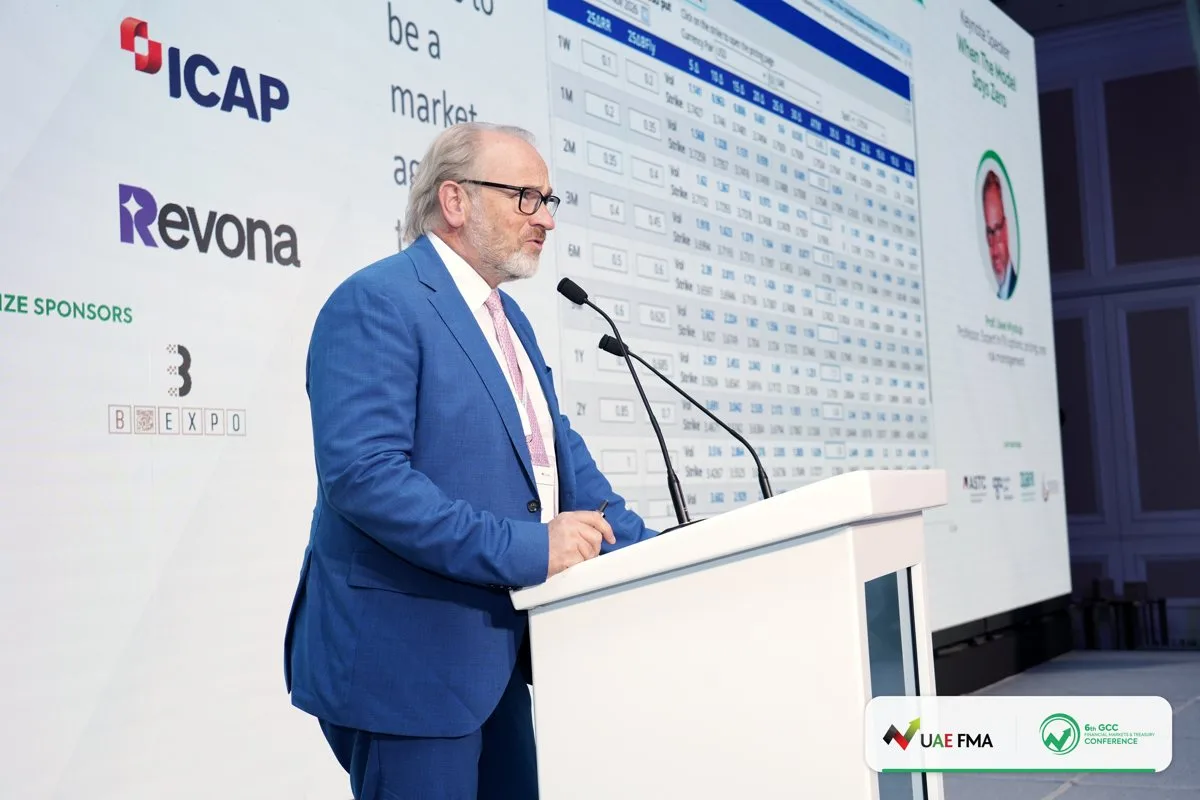
"Low volatility is not low risk. So that's your take-home message." With that line, Prof. Uwe Wystup, an expert in FX options, pricing and risk management and founder of MathFinance, closed his keynote "When the Model Says Zero" at the 6th GCC Financial Markets & Treasury Conference (GCC FMT 2026) in Dubai.
Prof. Wystup explained that because GCC currencies are pegged, spot rates barely move, and risk engines built on historical data can show model volatility of zero. Yet option and forward markets still carry information about rare events. "Does that mean there is no risk? No tail risk? Nobody knows," he said.
Central banks have protected the pegs
He noted that Gulf central banks "have been successfully protecting the peg levels", and that forward markets are now calm, with basis levels "quite small, hardly noticeable". His point, he said, was about preparation: institutions should ask whether their models and risk reports would capture an extreme scenario, and on which side of the risk they sit, especially in structured products such as accumulators and target forwards.

His practical advice was to use pricing models that account for jumps, run stress tests, watch forward-implied indicators and basis spreads as early warning signals, and have models independently validated.
Building the FX risk ecosystem
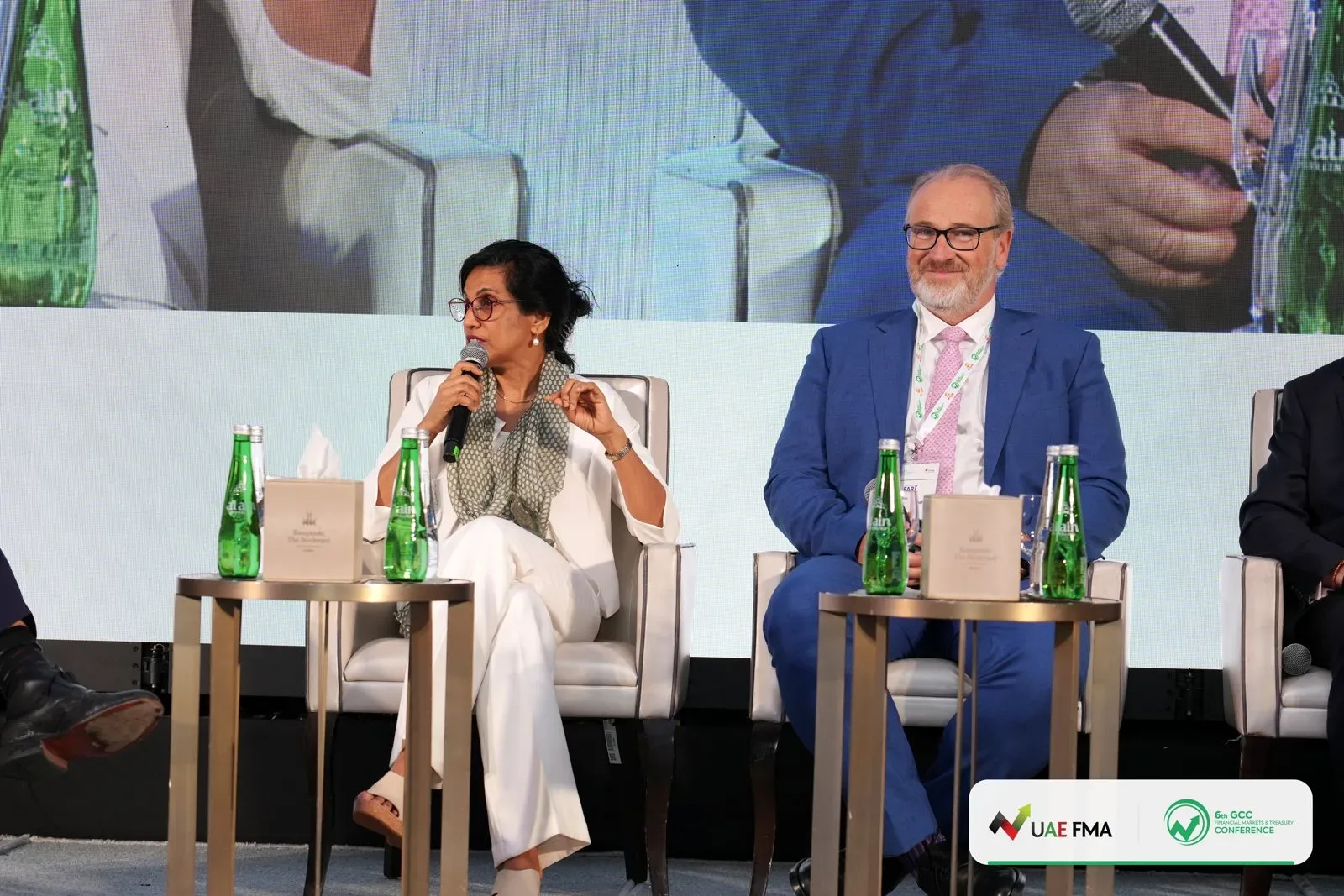
Speaking earlier on the panel on the Role of Financial Markets in Supporting GCC Economic Growth, Prof. Wystup said he sees "a lot of development heading into structured products in the derivative space, which is good." Gulf companies trade heavily in imports and exports, so currency risk management matters. He welcomed the region's universities, now "built and enhanced with international faculty", which mean graduates enter the industry with existing knowledge rather than starting "at ground zero".
He also praised a government initiative to prepare a list of structured FX products that are automatically permitted, with banks able to apply for others. "That's a good initiative," he said. His other priorities were deeper corporate bond markets, strong model governance and risk policies set up front, and "balance between regulation and free markets". "Regulation is good, but let's not overdo it," he said. "The regulation for any financial market is what makes it work, what builds the trust."
The newsroom of UAEFMA Markets, the news service of the UAE Financial Markets Association, covering UAE banking, treasury, capital markets and fintech.